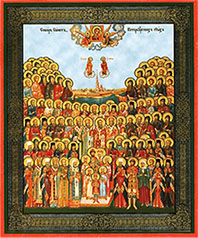
ЛЕВАШОВСКАЯ ГОЛГОФА
В память новомучеников и исповедников Северо-Западного региона России
ОФИЦИАЛЬНЫЙ САЙТ
The historical evolution of gambling from ancient rituals to modern casinos
The roots of gambling can be traced back to ancient civilizations, where it was often intertwined with rituals and societal practices. In Mesopotamia, some of the earliest forms of gambling involved dice made from animal bones. These early games were believed to be influenced by divine forces, with players often seeking the favor of gods in hopes of winning. Similarly, ancient Chinese civilizations utilized rudimentary gambling games that incorporated chance and strategy, showcasing a blend of entertainment and spiritual significance. Today, players looking for exciting options may explore non gamstop casinos no deposit bonus for a unique experience.
As societies evolved, so did their gambling practices. In Ancient Rome, the use of gambling was widespread, with soldiers and civilians alike engaging in various games of chance. The Romans not only popularized dice games but also introduced betting on gladiatorial contests and chariot races, illustrating how gambling became ingrained in the fabric of social life. Such activities laid the groundwork for the development of more organized forms of gambling in later centuries.
During the Middle Ages, gambling took on new forms, often associated with the nobility and the upper classes. Card games emerged as popular pastimes, with the earliest known playing cards believed to have originated in China and gradually making their way to Europe. These games of chance often featured intricate designs and were used in both social and gambling contexts, paving the way for the diverse card games we know today.
Alongside card games, gambling houses began to appear in various European cities, catering to the growing interest in betting. These establishments provided a regulated environment for patrons to gamble, marking a significant shift from informal gambling practices to more structured operations. However, the rise of gambling was met with resistance from religious authorities, who viewed it as morally questionable, leading to fluctuating periods of acceptance and prohibition throughout the era.
The Age of Enlightenment brought about significant changes in societal attitudes toward gambling. Rational thinking and scientific inquiry led to a greater understanding of chance and probability, fueling the popularity of gambling as a form of entertainment and social interaction. The establishment of public lotteries in the 16th and 17th centuries exemplified how governments began to harness gambling for economic benefits, funding public projects through ticket sales.
In this era, the casino, as we understand it today, began to take shape. The first official casino, the Casino di Venezia, opened in Italy in the early 17th century. This marked a transition from informal gambling houses to more sophisticated venues that offered a range of gaming options, live entertainment, and dining experiences. The allure of these establishments attracted both the elite and the general populace, further solidifying gambling’s place in modern society.
The 19th and 20th centuries witnessed a remarkable expansion of gambling, particularly with the emergence of Las Vegas as the gambling capital of the world. The city’s iconic casinos offered a blend of luxury, entertainment, and an extensive range of gaming options, revolutionizing the gambling experience. The introduction of slot machines and table games created a dynamic atmosphere that drew millions of visitors seeking both thrill and leisure.
As globalization progressed, gambling began to flourish in various parts of the world. Countries such as Macau and Singapore developed into prominent gaming destinations, attracting tourists from all corners of the globe. Online gambling also emerged as a significant trend, with virtual platforms allowing players to engage in casino games from the comfort of their homes. This shift has transformed the gambling landscape, making it more accessible and diverse than ever before.

In today’s digital age, the landscape of gambling continues to evolve with the rise of online casinos and betting platforms. These platforms leverage advanced technology to provide a secure and engaging gaming environment for users. Utilizing sophisticated security measures, such as encryption and authentication protocols, online casinos prioritize user safety and data protection, ensuring a trustworthy gambling experience.
Moreover, online casinos offer a vast array of gaming options, from classic table games to innovative slots, catering to a global audience. The convenience and accessibility of online gambling have transformed how people engage with this age-old pastime. As technology continues to advance, the future of gambling holds exciting possibilities, shaping the ways in which players experience and enjoy this enduring form of entertainment.
Рубрики: Public Join the Best Online Casino in Azerbaijan: Pinco Registration Made Easy!Análisis del retorno teórico al jugador en juegos de casino online